

1. The Thermal Superpower
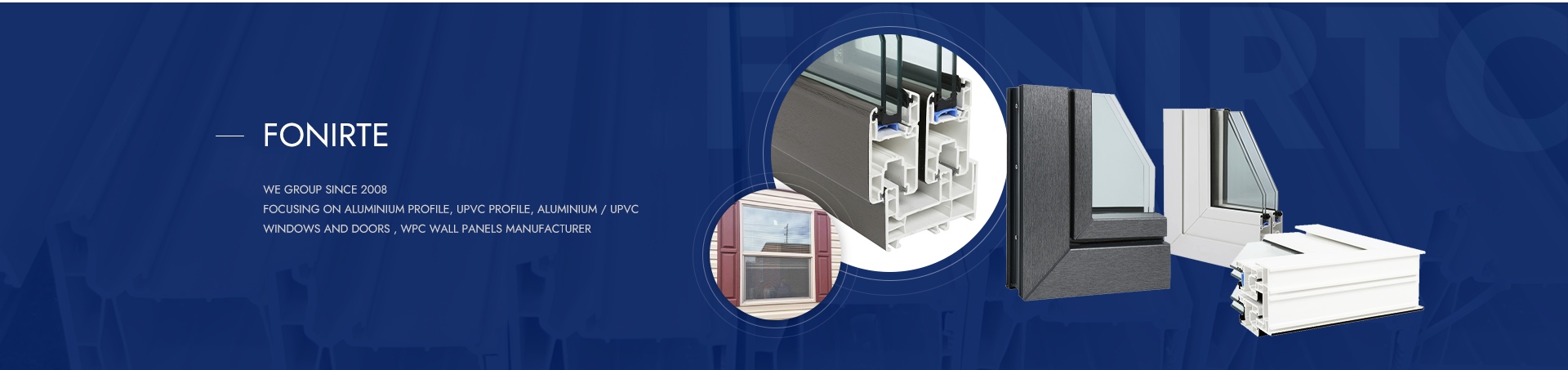
UPVC’s secret weapon lies in its multi-chamber design:
– Cellular Defense System: 3-5 air cavities create staggered thermal breaks, achieving U-values as low as 0.8 W/m²K—matching the insulation value of a brick wall
– Material Genius: With thermal conductivity of just 0.17 W/m·K, UPVC makes aluminum (160 W/m·K) behave like a heat superconductor
– Real-World Impact: Maintains 4-5°C higher indoor temperatures in winter, reducing heating energy consumption by 30-40%
2. The Energy Savings Revolution
The numbers tell a compelling story:
– Home Energy Slash: A typical household saves 2,100 kWh annually compared to aluminum frames—enough to power an electric vehicle for 8,000 miles
– Climate Adaptation: Reduces cooling loads by 25% in hot climates by minimizing heat gain (Solar Heat Gain Coefficient <0.3)
– Condensation Control: Keeps interior surface temperatures above dew point, preventing mold and moisture damage
3. Environmental Efficiency Unmatched
The production story is equally impressive:
– Energy Miser: Manufacturing UPVC profiles consumes just 8.5 kWh/kg—a fraction of aluminum’s 55 kWh/kg
– Resource Lightweight: Requires minimal mining impact compared to metal production
– Recycling Champion: Can be recycled up to 10 times without performance loss, with European recycling rates exceeding 90%
4. Beyond Basic Insulation
Modern UPVC profiles systems offer advanced features:
– Thermal Break Technology: Glass fiber reinforced polyamide bars eliminate cold bridging
– Aerogel Integration: Silica aerogel fills cavities for U-values reaching 0.5 without increasing profile size
– Climate-Specific Engineering: Custom formulations for extreme environments from arctic cold to desert heat
Pro Tip: For maximum efficiency, specify “Passive House Certified” windows—they undergo rigorous testing including thermal imaging and blower door verification


