
UPVC Glass Bead Removal
Why UPVC Glass Bead Removal is a Job for Professionals: A Safety Guide
Maintaining the aesthetic and functional integrity of your home starts with your windows. While UPVC glass beads might look like simple plastic strips, they are critical components of a high-performance window system.
At FONIRTE, we engineer our profiles for maximum security and thermal efficiency. Here is why attempting a DIY “bead pop” can lead to costly repairs and why professional intervention is the smartest choice for your investment.
1. The Complexity of Snap-Fit Engineering
UPVC window beads are not just decorative; they are precision-engineered locking mechanisms.
-
High-Tolerance Interference Fits: Modern beads are designed to snap into dedicated grooves with exact pressure. This ensures the window remains airtight. Without the right technique, forcing these can warp the entire frame.
-
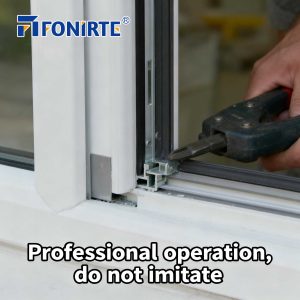
Specialized Glazing Tools: Professionals don’t use screwdrivers. They use curved, high-grade steel levers designed to distribute pressure evenly.
-
The Risk of DIY Tools: Using household tools often results in:
-
Gouged Profiles: Permanent scratches on your UPVC finish.
-
Snapped Corners: Once a bead corner snaps, the entire strip usually requires replacement to maintain the seal.
-
2. Risking Glass Safety and Unit Integrity
The most significant danger of DIY removal isn’t aesthetic—it’s physical. The glass bead is the primary “keeper” for the heavy double or triple-glazed units.
The Danger of Falling Glass
Once the beads are removed, the glass unit is no longer mechanically retained. A slight gust of wind or an accidental lean can cause the unit to fall inward or outward. This poses a massive injury risk and can lead to expensive damage to flooring and furniture.
Protecting the Hermetic Seal
Behind every FONIRTE bead is a complex system of setting blocks and sealants. These components ensure:
-
Load Distribution: Preventing the heavy glass from cracking the UPVC frame.
-
Weatherproofing: Keeping moisture from entering the internal chambers of the profile.
-
Acoustic Insulation: Ensuring no “rattles” occur during high winds.
Pro Tip: Even if you successfully replace a bead, misaligning a single setting block can lead to a “stress crack” in the glass weeks later due to uneven thermal expansion.
3. When to Call the Experts
Knowing when to step back saves you money in the long run. You should always contact a FONIRTE-certified technician if you encounter the following:
-
Fogged Panes: If you see condensation between the glass, the internal seal has failed.
-
Glass Upgrades: Moving to Low-E or laminated glass requires recalculated bead pressure.
-
Drafts or Leaks: Removing beads to “find a leak” often makes the leak worse if not resealed to factory specifications.
The Cost of Mistakes vs. Professional Service
A professional glazier provides insurance against error. Replacing a broken bead is cheap; replacing a custom-sized, shattered double-glazed unit because a DIY project went wrong is an avoidable and expensive headache.
Conclusion: Respect the Precision of Your Windows
The glass bead is the “silent guardian” of your home’s envelope. Its installation is the result of years of manufacturing expertise and technical design. To maintain the FONIRTE standard of excellence, we recommend leaving the heavy lifting—and the bead popping—to the pros.
Do you have a window that needs attention? [Contact our support team today] to find a certified FONIRTE installer in your area and ensure your windows perform perfectly for decades to come.


